
- Understanding the Design Concept: Fashion designers begin by conceptualizing they're designs. They consider the silhouette, the desired fit, and the overall style they want to achieve. This vision guides them in selecting the most suitable fabric for their design. For example, a flowing evening gown may require a lightweight and drapey fabric like silk chiffon, while a structured blazer may call for a sturdy fabric like wool suiting.
- Considering the Season and Occasion: The season and occasion for which the garment is intended greatly influence the choice of fabric. Lighter fabrics like linen or cotton are ideal for summer garments, while heavier fabrics like wool or velvet are more suitable for winter wear. Similarly, the occasion may call for a more formal or luxurious fabric, such as silk or satin, or a more casual fabric, like denim or jersey.
- Assessing the Fabric's Properties: Fashion designers carefully assess the properties of different fabrics to determine their suitability for a design. They consider factors such as texture, drape, stretch, and transparency. A textured fabric, like tweed or jacquard, can add visual interest to a design, while a fabric with good drape can enhance the flow and movement of a garment. Stretch fabrics are often used for body-hugging designs or garments that require ease of movement.
- Experimenting with Fabric Combinations: Fashion designers often create unique and visually stunning garments by combining different fabrics. They may mix contrasting textures, such as pairing a smooth satin with a textured lace, or combine fabrics with different weights for added dimension. Fabric combinations can add depth and visual appeal to a design, making it stand out from the crowd.
Aria Delgado | October 09, 2023
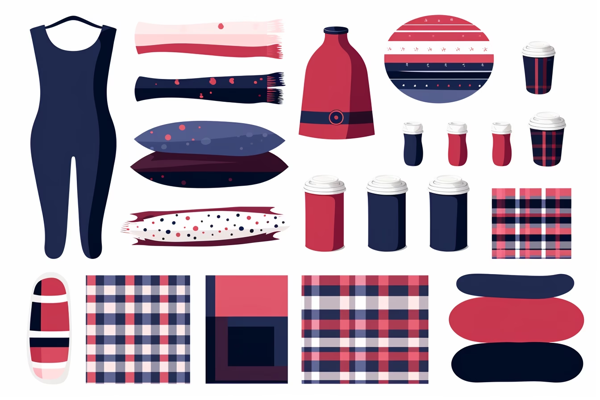
Fashion Designing with Fabrics: Unveiling the Secrets to Creating Stunning Garments
Introduction
Fashion designing is a captivating blend of art, creativity, and innovation. It is the art of envisioning and creating garments that not only make a fashion statement but also reflect the personality and style of the wearer. One of the key elements in fashion designing is the choice of fabrics. The right fabric can elevate a design, enhance its appeal, and bring it to life. In this blog post, we will explore the secrets behind fashion designing with fabrics and how designers create stunning garments that capture the essence of fashion.
Understanding Fabrics
Before delving into the secrets of fashion designing with fabrics, it is important to have a basic understanding of fabrics. Fabrics are materials made from fibers or yarns, which are woven, knitted, or bonded together. They can be natural, such as cotton, silk, or wool, or synthetic, like polyester or faux leather. Each fabric has its own unique characteristics, such as texture, weight, drape, and stretch, which play a crucial role in the design process.
The Secrets to Choosing the Right Fabric
About the author
Aria Delgado is a renowned fashion designer with a passion for creating stunning designs using fabrics. With over a decade of experience in the industry, Aria has become known for her innovative approach to fashion design, always pushing boundaries and experimenting with different fabrics. She believes that fabrics are the soul of a garment, and through her work, she aims to showcase the beauty and versatility of various textiles. Aria's unique designs have been featured in numerous fashion shows and magazines, earning her a loyal following of fashion enthusiasts. Through her blog, she shares her expertise, offering valuable insights and tips on fashion designing with fabrics, inspiring aspiring designers to explore their creativity and create extraordinary pieces.
Popular Posts
GoocheSpike - October 17, 2023
Nice tips, very helpful!
Nayla - October 16, 2023
OMG! This article is 🔥! I've always wondered how fashion designers create those stunning garments and now I finally know the secrets! Can't wait to try them out myself. Thanks for sharing! 🙌
hannabeth - October 15, 2023
OMG! Loved this post! So many great tips and tricks for creating amazing garments. Can't wait to try them out myself. Thanks for sharing!
BeingJuiced - October 14, 2023
Wow, this article is amazing! I've always wondered how fashion designers bring their creations to life. These fabric secrets are definitely worth trying in my own designs. Thanks for sharing!
investiga-awesome - October 13, 2023
Wow, this article is amazing! I've always been fascinated by fashion designing and this post really reveals some great tips and secrets. Can't wait to start creating my own stunning garments!
Ruhiyeh - October 12, 2023
Great post! So many helpful tips and tricks. Can't wait to try them out!